

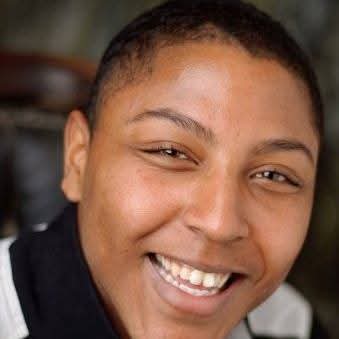




She was asked to explain her writing style and why it has divided the writing community.
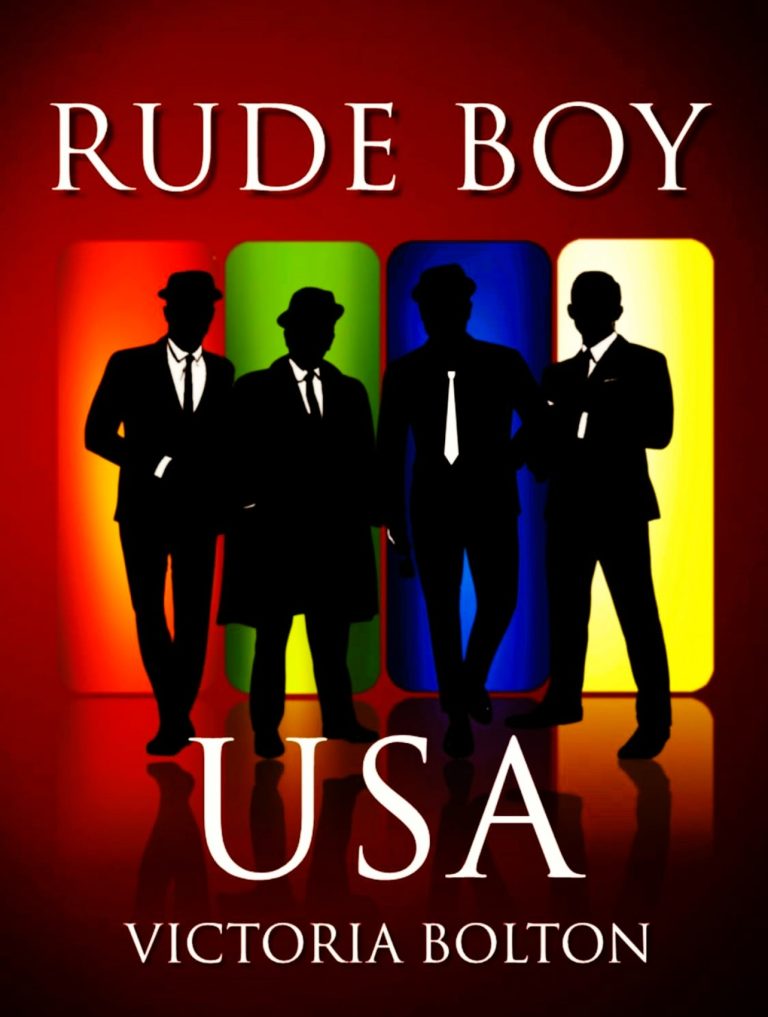
I remember someone once telling me a few years ago that I didn’t deserve to win any awards because my writing wasn’t inspiring. They said writing is supposed to inspire, whatever that means. If that’s what they took from my work, then they missed the point. I don’t write to inspire people. I write to entertain. I write the way you watch a TV show or a movie, not the way you read a speech. I take a bit of offense to it, because some people believe women are not supposed to write gangster or political fiction. I was told that I should write stories that belong in pastel colored book covers.
I tried it once, and it’s just not me. I don’t tell many people that it exists.
I write the way people talk, especially when things are emotional, tense, or happening on the street or in private talk amongst friends. Conversations in real life are not polished. They are short. They break. People interrupt themselves. They say what they mean and move on. You don’t hear Shakespearean sentences on the streets of NYC. That rhythm matters to me, and I write inside it on purpose.
I know that kind of prose doesn’t land the same way for everyone. Some readers expect more traditional literary flow and read my work as too casual or too choppy. I understand that reaction, but changing it would make the work feel fake. These stories are not meant to sound romantic or elevated. They are meant to sound true to the people living them.
My writing reflects the space the characters are in. When they are in formal settings, public offices, or official conversations, the language tightens and becomes more proper. When they are not, it relaxes. That contrast is intentional. People speak differently depending on where they stand and who is watching.
I am aware this makes my work niche. I am comfortable with that. I would rather be honest about voice and texture than sand it down. The stories are raw, sometimes gritty, politically incorrect, and not always comfortable. I am willing to take the hit for that, because authenticity matters more to me than fitting a mold.
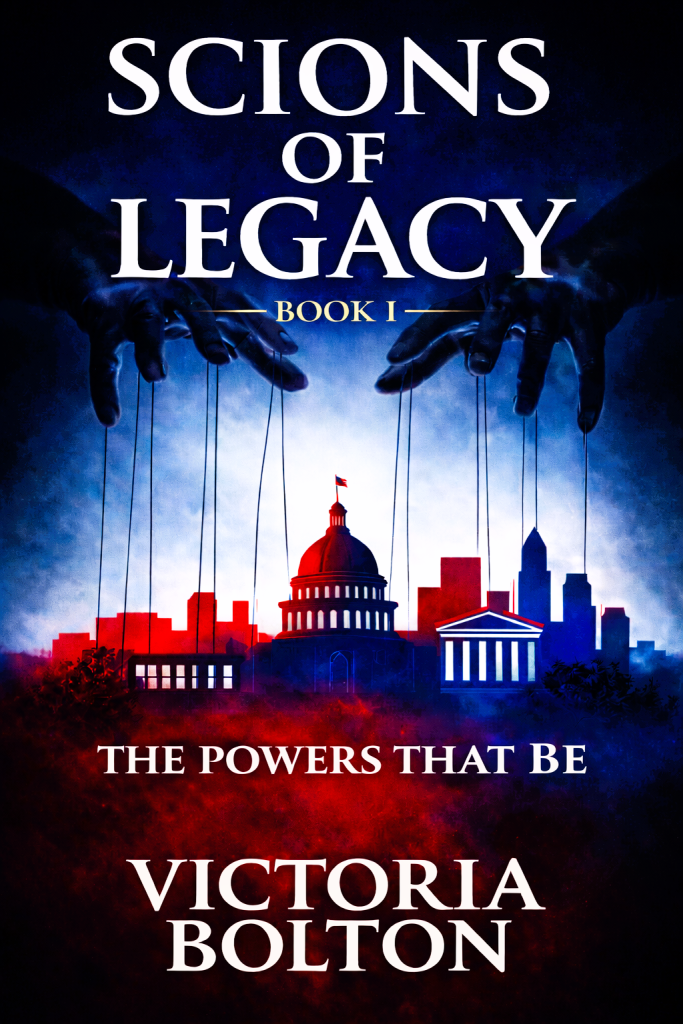
I think some of the discomfort comes from the fact that my characters do not ask permission to exist. They are not softened for likability or filtered to make the reader feel safe. They make bad decisions. They say the wrong thing. They hold power, lose it, abuse it, and sometimes earn it back. That kind of honesty unsettles people because it does not offer a moral bow at the end of every chapter. Real life rarely does. I am not interested in teaching lessons. I am interested in showing consequences and letting the reader decide how they feel about them.
At the end of the day, I am writing for readers who recognize themselves in fragments. In half-finished sentences. In tension that sits in a room without being explained. If that means my work does not fit neatly into a shelf or a trend, I am fine with that. I would rather my stories feel lived-in than approved. I am not here to be palatable. I am here to be precise about the world I am portraying, even when that precision makes people uncomfortable.