




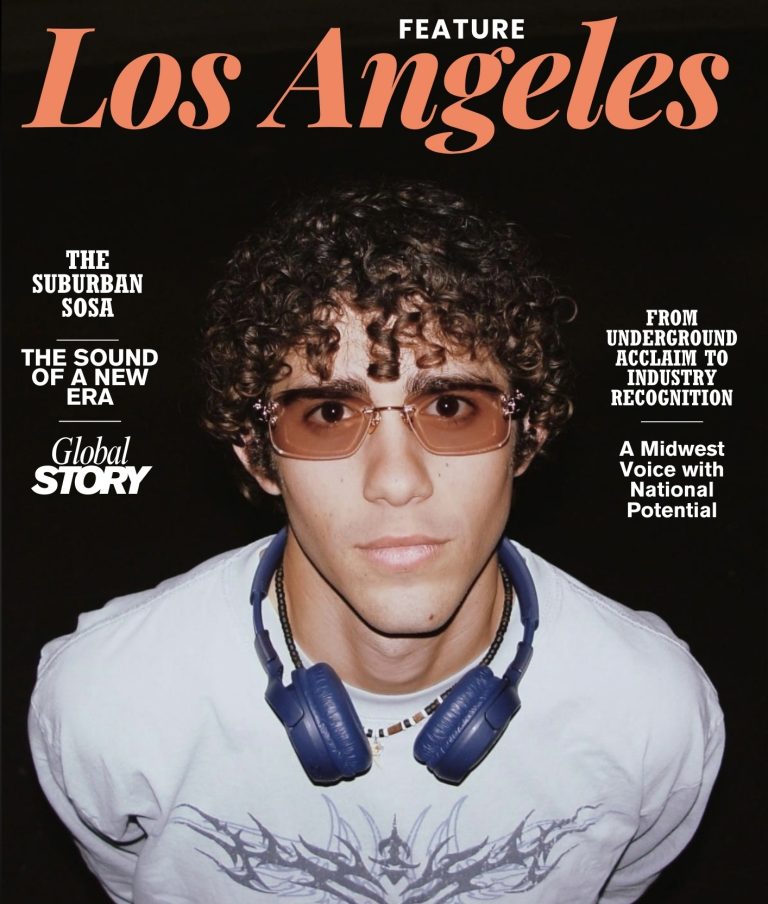
In a music landscape oversaturated with speed, spectacle, and algorithm chasing, Eli Youngblood is choosing substance.
The Indiana based rapper, singer, and songwriter has entered 2026 not with noise, but with intention. A new single. Two award nominations. A viral freestyle moment. And a sonic pivot that signals evolution rather than experimentation. For those paying attention to the underground hip hop circuit, Youngblood is no longer a name whispered in niche circles. He is becoming a presence.
His ascent feels deliberate. Earned. Studied.
And most importantly, it feels real.
Late 2025 marked a defining moment in Youngblood’s career with the release of “Moving Day.” Soulful, reflective, and lyrically dense, the record did not rely on gimmicks. It relied on writing.
The track explored transition, growth, and emotional relocation in a way that resonated far beyond its runtime. It felt personal without being indulgent. Technical without being performative. The response was swift within underground spaces, earning him two nominations at the Atlanta based TGNU Music Awards in 2026.
For many artists, nominations mark validation. For Youngblood, they marked ignition.
“Moving Day” was not just a song. It was a signal. A reminder that lyric driven hip hop still commands respect when delivered with clarity and conviction.

February 2026 brought “The Come Up,” a record that made his intentions even clearer.
Thematically dedicated to the retirement of J. Cole following his final album The Fall Off, the track serves as both tribute and declaration. It honors the generation of introspective lyricists who reshaped modern rap while positioning Youngblood as a student ready to become a peer.
The production leans classic. The cadence feels grounded. The bars are intentional.
Rather than chasing the dominant sonic trends of the moment, Youngblood leaned into timeless structure. Verses breathe. Hooks land with meaning. The writing carries weight.
Comparisons quickly followed. Listeners drew parallels to J. Cole’s introspection, Jay Z’s composure, and Kanye West’s creative ambition. While such comparisons can overwhelm emerging artists, Youngblood appears unfazed. Influence, for him, is foundation rather than imitation.
Long before the buzz of 2026, Youngblood was already studying the industry from the inside.
Signed to a publishing deal with Warner at just 17 years old, he gained early exposure to the mechanics of songwriting, royalties, and creative ownership. While many artists spend their early years chasing virality, Youngblood spent his learning.
Throughout 2025, he experimented sonically, walking the line between alt rap and indie pop. The period now feels like research and development. Testing textures. Studying audiences. Expanding vocal range.
The shift back toward classic hip hop in 2026 does not feel like retreat. It feels like refinement.
It is the sound of an artist who explored his palette and consciously chose his core.
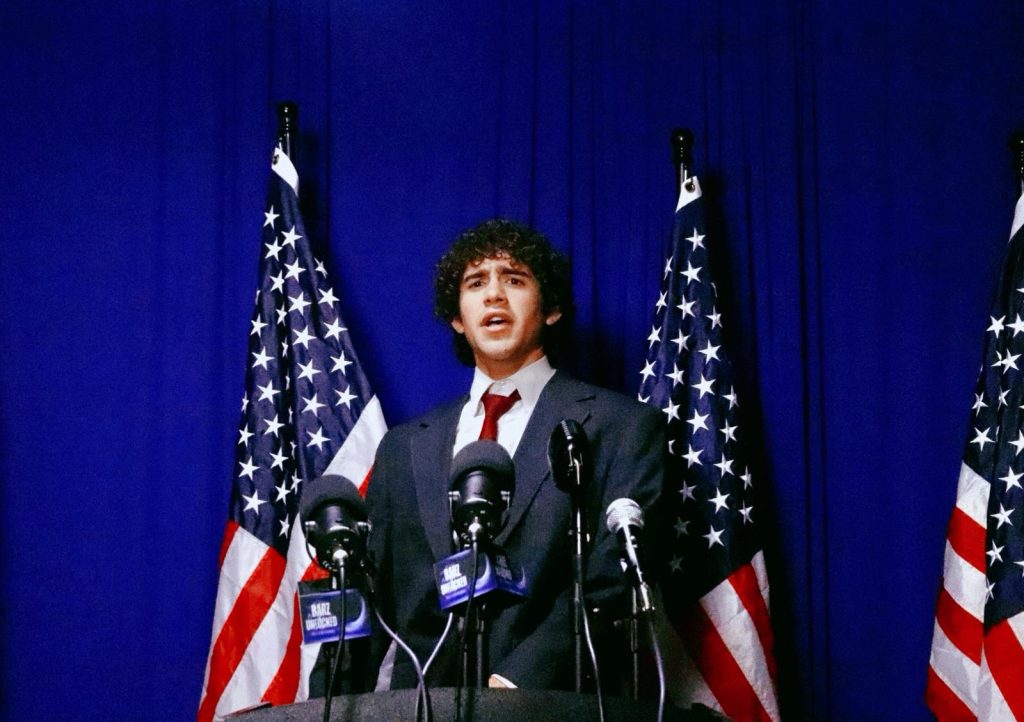
If there was a cultural checkpoint that solidified this new chapter, it came through his appearance on the Philadelphia based rap platform The Podium.
Freestyling over Kanye West’s iconic “Otis” instrumental, Youngblood delivered a performance that was confident without being arrogant. The choice of beat alone spoke volumes. “Otis” represents an era of triumphant lyricism and maximalist ambition.
Youngblood’s freestyle was not nostalgia. It was alignment.
He demonstrated respect for the past while proving fluency in its language. The performance circulated quickly among underground hip hop audiences, reinforcing that his pivot toward traditional rap was not aesthetic. It was authentic.
With evolution often comes controversy.
As his profile grew, Youngblood adopted a new moniker: “the Suburban Sosa.” The name is layered. It nods playfully to his middle class upbringing and Italian heritage while referencing the iconic “Sosa” alias popularized by Midwest rap figure Chief Keef.
The nickname sparked conversation. Debate. Curiosity.
But perhaps that is the point.
Rather than distancing himself from his background, Youngblood incorporates it. He reframes perceived contrast into identity. The moniker acknowledges hip hop lineage while asserting his own narrative within it.
It is self aware. Slightly provocative. And undeniably memorable.
Indiana is not traditionally positioned as the epicenter of hip hop innovation. Yet throughout history, transformative artists have often emerged from outside the industry’s expected hubs.
Youngblood’s Midwest grounding shapes his storytelling. There is a grounded quality to his delivery. A balance between ambition and humility. His writing feels observational rather than exaggerated.
He is not chasing mythology. He is documenting growth.
And growth, when articulated honestly, travels.
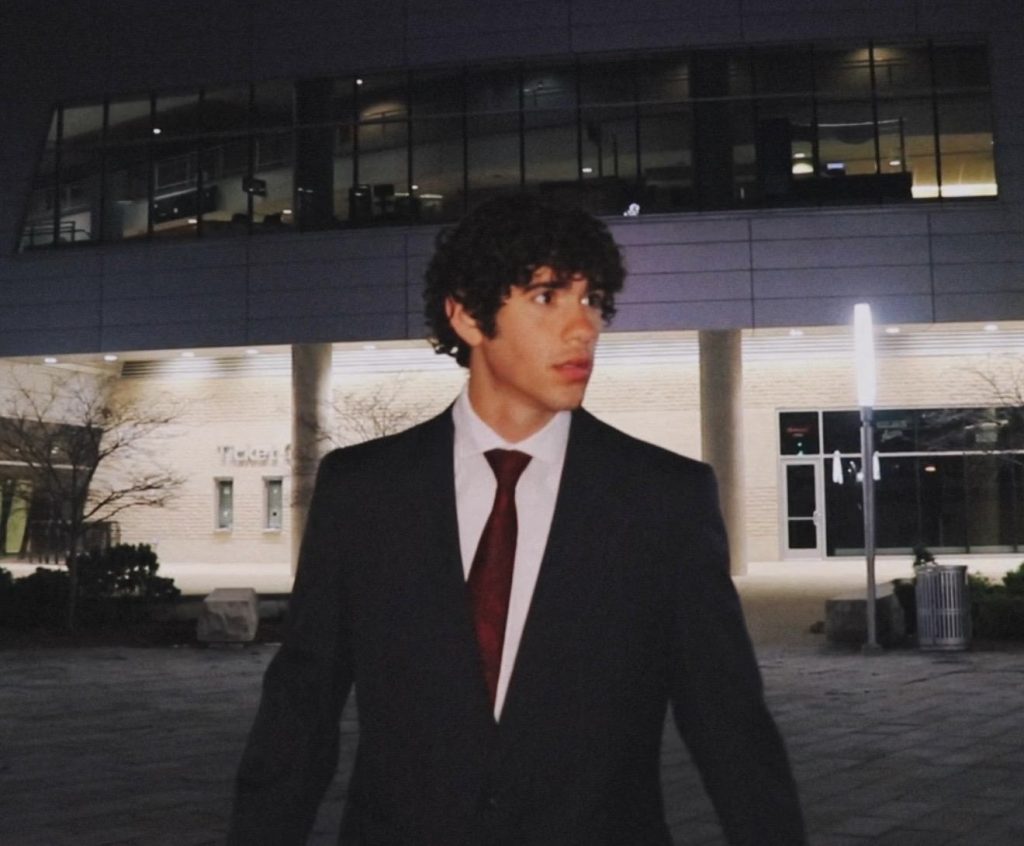
With award nominations, a strong release schedule, and a cultural co sign moment on The Podium, 2026 is shaping up as a defining year.
But the deeper story lies in trajectory.
Eli Youngblood is not sprinting toward flash fame. He is constructing identity. He is refining sound. He is leaning into legacy influences while building his own.
In an era of disposable moments, he is betting on durability.
The Suburban Sosa is no longer just a nickname whispered in underground forums. It is a statement of arrival.
And if the opening months of 2026 are any indication, Eli Youngblood is not simply participating in hip hop’s future.
He is preparing to shape it.