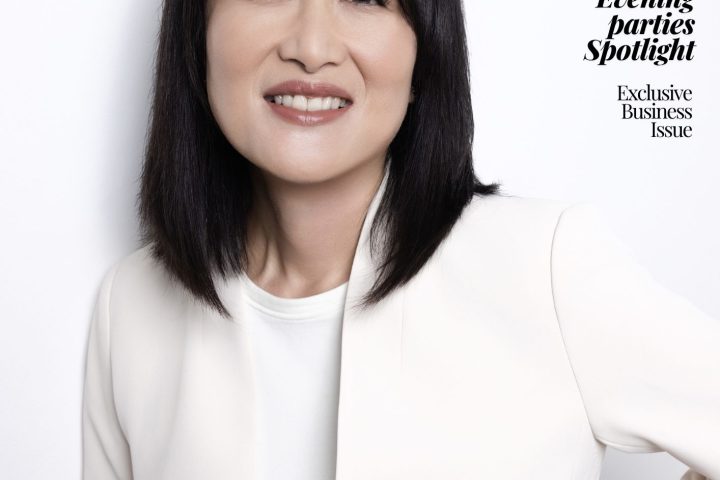










From the traditions of Japan to the forefront of California’s mental wellness movement, the psychologist, author, and entrepreneur is building a global vision where mental health becomes an everyday practice—not merely a response to crisis.
A Different Kind of Mental Health Revolution
In an age of constant connectivity, rising financial pressures, artificial intelligence, and relentless expectations to succeed, the human mind is facing unprecedented demands. Yet despite growing conversations about mental health, many people still wait until they are overwhelmed before seeking support.
Dr. Akira D. Olsen believes this approach needs to change.
A California-based licensed clinical psychologist, author, and Founder and CEO of JOURNEY HEALTH, Olsen is advancing a vision that moves mental health beyond traditional treatment and into everyday life. Her philosophy challenges a fundamental assumption about psychological care: that mental health becomes important primarily when something goes wrong.
Instead, she believes psychological skills should be developed proactively, much like physical fitness. “Mental health is not something we should think about only when life falls apart. It is something we can practice every day,” Olsen explains. Through her clinical practice, educational initiatives, books, and international outreach, she is working to make psychological knowledge accessible to people of different ages, cultures, and backgrounds.
Her mission is ambitious but deeply human: to help individuals build healthier relationships with themselves, strengthen their emotional resilience, and develop the psychological skills necessary to thrive.
Where Eastern Wisdom Meets Western Science
Olsen’s philosophy began taking shape long before she became a psychologist.
Growing up in Tokyo, Japan, she was influenced by cultural traditions emphasizing discipline, mindfulness, harmony, and continuous self development. Among those influences was Kendo, the Japanese martial art of swordsmanship.
Kendo requires more than physical strength. Practitioners must develop concentration, emotional composure, awareness, and the ability to respond effectively under pressure. These principles later became meaningful connections to her psychological work.
In Japanese martial arts, the concept of mushin, often translated as “no mind,” describes a state in which individuals are not unnecessarily entangled in distracting thoughts.
Olsen sees parallels between this concept and modern psychological approaches such as mindfulness, cognitive defusion, and psychological flexibility.
Her professional training in the United States introduced her to evidence-based therapeutic approaches, including Cognitive Behavioral Therapy, Dialectical Behavior Therapy, Acceptance and Commitment Therapy, EMDR, and mindfulness-based interventions.
Rather than treating Eastern and Western traditions as competing philosophies, Olsen explores how they can complement one another.
“Different cultures have developed valuable ways of understanding human suffering, resilience, and personal growth,” she explains. “When we approach these traditions with curiosity and scientific responsibility, we can expand how we understand mental well-being.”
This cross-cultural perspective has become one of the defining characteristics of her professional identity.
Two Decades of Listening, Learning, and Leading
Olsen’s vision is grounded in more than two decades of professional experience spanning community mental health, clinical psychology, research, education, and organizational leadership. Her early career included providing psychological services to children and families experiencing significant adversity, including those living in shelters and underserved communities.
These experiences exposed her to the complex relationships between emotional suffering, family environments, financial instability, and access to care.
She later expanded her work into private practice, clinical supervision, and university-affiliated training.
Between 2018 and 2022, her professional activities included clinical research at Stanford Medicine and teaching and supervision associated with Palo Alto University and the PGSP-Stanford Psy.D. Consortium. She also served as a board member and Diversity Chair of the San Mateo County Psychological Association, promoting cultural responsiveness and inclusion within the psychological profession.
Throughout her career, Olsen has worked with children, adolescents, adults, couples, and families experiencing anxiety, trauma, depression, neurodevelopmental differences, relationship difficulties, and major life transitions.
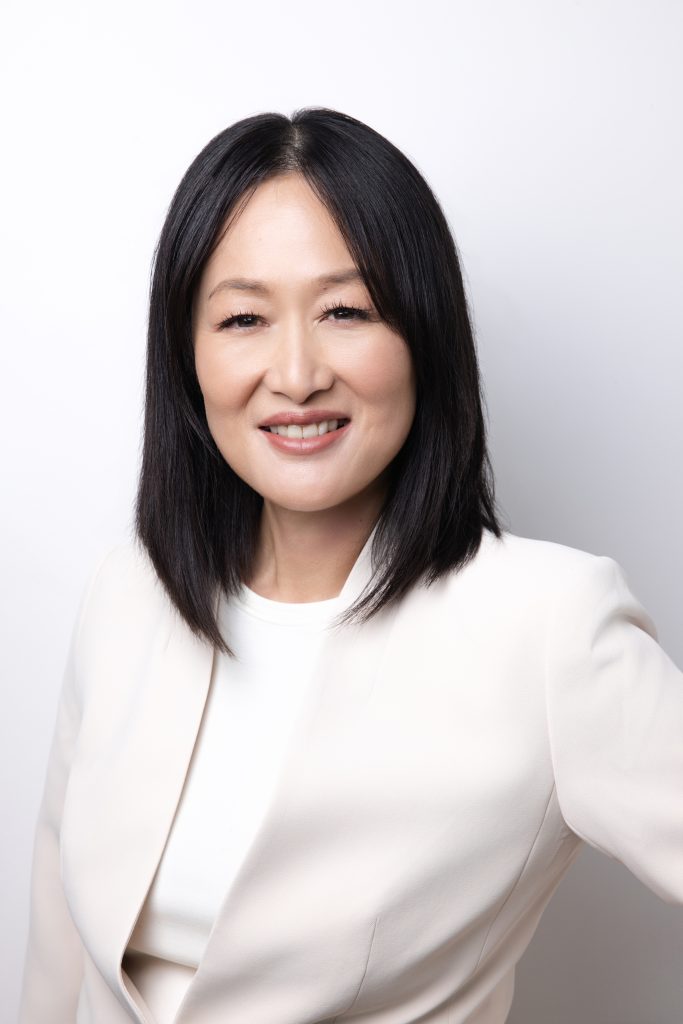
What these diverse experiences reinforced was a recurring insight: psychological well-being cannot be separated from the environments in which people live. Family relationships, financial security, cultural identity, physical health, and community connection all influence mental health.
For Olsen, effective psychological care must recognize the whole person rather than focusing exclusively on symptoms.
Building JOURNEY HEALTH: From Clinical Practice to Global Vision
After years of working directly with clients, Olsen began considering how psychological education could reach people beyond the therapy room. She recognized that while psychotherapy provides essential treatment, many people could also benefit from learning practical psychological skills before experiencing severe distress. This realization helped inspire JOURNEY HEALTH, the organization she founded to integrate mental fitness education, mental health education, and clinical psychological services.
Based in California, JOURNEY HEALTH is developing educational initiatives for individuals, families, professionals, and communities. Its focus extends beyond managing mental illness to cultivating attention, emotional awareness, self-compassion, resilience, and healthier relationships.
The organization also reflects Olsen’s international ambitions.
Through JOURNEY HEALTH’s initiatives in the United States and Japan, she hopes to create culturally responsive educational resources that connect psychological science with practical everyday applications. Her related initiative, WARM Lounge, focuses on supporting neurodivergent young people and families, particularly those navigating ADHD-related challenges.
Olsen’s entrepreneurial vision represents a significant evolution in her career. She is no longer focused solely on helping individuals one session at a time. She is building systems through which psychological knowledge can reach larger communities. Her guiding principle remains straightforward: meaningful mental health education should be understandable, practical, and available throughout life.
The Journey to Self: Transforming the Relationship Within
At the heart of Olsen’s work is her book, The Journey to Self: Practical Exercises for Building a Positive Relationship with Yourself and Transforming Your Mental Health.
Published in 2025, the book explores one of the most overlooked dimensions of psychological well-being: the relationship individuals have with themselves. People frequently devote substantial energy to professional achievement, family responsibilities, and meeting others’ expectations while neglecting their own emotional needs. Olsen believes this imbalance can contribute to chronic stress, self-criticism, and emotional exhaustion. Her book introduces practical exercises addressing self-awareness, self-compassion, emotional healing, mindfulness, healthy boundaries, relationships, and meaningful personal growth.
It also examines financial well-being, recognizing that economic pressures can profoundly influence psychological health. Rather than promoting dramatic transformations, Olsen emphasizes small, sustainable changes. A brief mindfulness exercise, a moment of emotional reflection, or a compassionate response to self-criticism can become the foundation for healthier psychological habits.
“The most important relationship you will ever build is the one with yourself,” she emphasizes. This philosophy extends beyond the pages of her book into her educational programs, workbooks, online community, and public speaking.
Attention Fitness in an Age of Distraction
One of Olsen’s emerging contributions to mental wellness education is her concept of attention fitness.
In a world where smartphones, social media, and artificial intelligence compete continuously for human attention, she believes learning to manage attention is becoming an essential psychological skill. People often become trapped in repetitive thinking, digital comparison, worries about the future, or memories of uncomfortable experiences. Attention fitness involves recognizing these patterns and developing the ability to redirect attention intentionally.
The goal is not to eliminate thoughts or achieve permanent calm. Instead, it is to strengthen psychological flexibility the capacity to experience thoughts and emotions without automatically allowing them to determine behavior.
Drawing partly from her Kendo background, Olsen describes attention as something that can be cultivated through repeated practice. This philosophy also informs her developing STEP Method, designed to help people respond to overthinking and emotional overwhelm.
STEP stands for Shift Attention, Take Away Importance, Exit the Narrative, and Plug Into Larger Awareness. The framework encourages individuals to recognize unhelpful mental patterns, reduce their influence, and reconnect with a broader perspective. For Olsen, these skills are particularly relevant to younger generations navigating digital overstimulation, professional uncertainty, and increasing social pressures.
Redefining Wealth and Human Success
Olsen’s understanding of mental wellness extends beyond emotional regulation.
Through her developing Wealth Within framework, she explores the idea that a fulfilling life requires multiple forms of well-being. Financial resources matter, but so do emotional stability, physical health, meaningful relationships, personal purpose, and community connection.
Her perspective challenges narrow definitions of success based exclusively on income, professional status, or external recognition.
This message is especially relevant in California, where ambitious professional cultures coexist with housing affordability challenges, financial pressures, and demanding lifestyles. Olsen believes that achievement without psychological well being can leave individuals feeling disconnected despite outward success.
Her approach encourages people to pursue professional and financial goals while also developing the internal resources necessary to enjoy meaningful lives. Rather than rejecting ambition, she advocates for a more balanced understanding of human flourishing.
A Leader with an International Mission
Olsen’s expanding work has attracted professional and media recognition.
In 2026, she received the Humanitarian of the Year recognition at the Influencer Magazine Awards. She has also been recognized by Marquis Who’s Who and featured in international publications discussing her psychological expertise and cross cultural leadership.
Her public education efforts extend through articles, interviews, podcasts, and digital platforms, including contributions to Brainz Magazine. At the same time, Olsen continues developing her expertise in technology and organizational leadership through advanced studies in artificial intelligence engineering.
She sees opportunities for responsibly designed technology to expand educational access, support professionals, and improve the delivery of mental wellness resources.
However, she maintains that technology should strengthen rather than replace human connection.
Her leadership philosophy emphasizes compassion, collaboration, cultural understanding, and psychological safety.
For Olsen, innovation is meaningful only when it improves people’s lives.
The Future of Mental Wellness Begins Today
Looking ahead, Olsen envisions JOURNEY HEALTH growing into an internationally recognized organization connecting mental fitness education, clinical expertise, technology, and culturally informed approaches to human well-being.
She hopes to reach children, parents, families, professionals, and communities with tools that make psychological health a lifelong practice.
Her vision does not diminish the importance of psychotherapy or clinical treatment. Instead, it expands the conversation to include prevention, education, and personal development.
The ultimate goal is not a world without difficult emotions. It is a world in which more people possess the skills, support, and understanding to navigate those emotions constructively.
From her upbringing in Japan to her professional journey in California, Olsen’s career reflects a continuing commitment to connecting cultures, disciplines, and communities.
Her work offers a timely reminder that mental wellness is not simply a destination reached after overcoming adversity.
It is a relationship we cultivate with ourselves, through the choices we make and the practices we repeat.
And for Dr. Akira Olsen, that journey begins with one powerful idea:
Mental health is not only about healing from what hurts. It is about learning how to live well—every single day.