

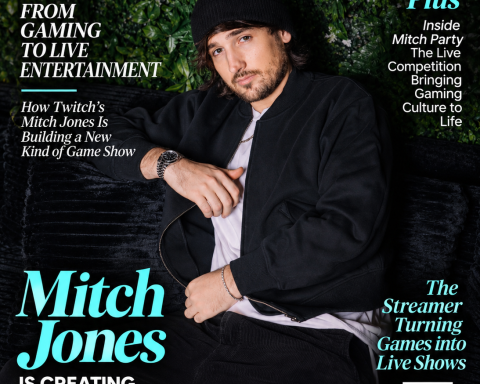





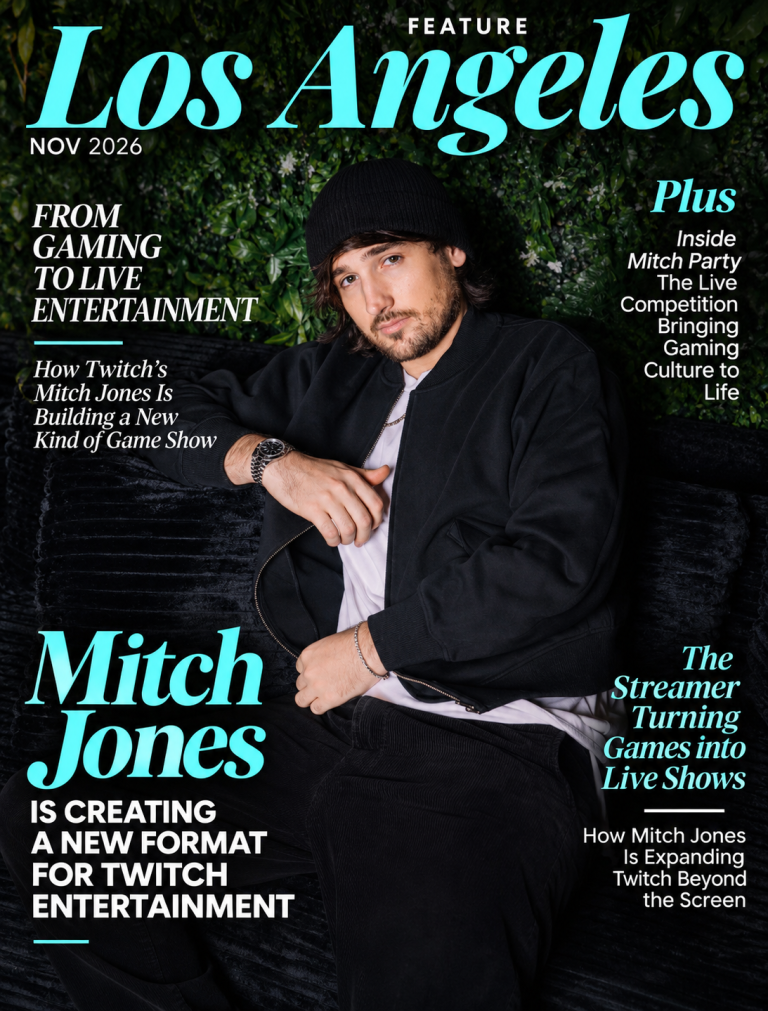
For longtime Twitch streamer Mitch Jones, gaming entertainment is evolving past the computer screen. In mid-October, Jones debuted his second major livestreamed game show, Mitch Party, transforming the familiar mechanics of Mario Party into an interactive, real-world competition featuring fellow content creators and audience participation. The production was another step in Jones’ growing interest in developing original gaming entertainment, combining the competitive elements of video games with the spontaneity of livestreaming. With these shows, Jones is hosting experiences that bring gaming culture into a physical environment while letting viewers be involved from home.
Inspired by a childhood favorite, Mitch Party adapted the board game-style competition and minigame challenges associated with Mario Party into a live format. The October event incorporated original activities, elaborate production design, and appearances from established gaming personalities, demonstrating how video game concepts can translate into new forms of digital entertainment. Among the participating creators was GernaderJake, a longtime friend of Jones dating back to their middle school years. The two originally connected through Halo, playing together on Xbox and uploading gameplay compilations to YouTube. Their reunion in the October competition, during which GernaderJake competed for prize money, reflected the longstanding relationships that have influenced Jones’ streaming career.
Behind the scenes, executing the production required extensive preparation. Jones and his team worked to construct the set, coordinate contestants, and develop minigames that could function within a live broadcast. Unlike prerecorded entertainment, livestreamed competitions require production teams to manage technical elements and unexpected developments in real time. For example, one of the show’s defining features was its emphasis on connecting the physical competition with the online audience. Jones acknowledged that translating video game mechanics into a livestream required access to information that would allow viewers to follow the competition as it unfolded.
A big part of this is making sure that we have an overlay synced with what’s going out on the stream for all the viewers at home,” Jones explained. “ And those stats also need to be visible to the gameshow contestants in person.”
These technical considerations demonstrate the sophisticated nature of professional livestreaming. In other words, streaming has become a legitimate entertainment career that can involve creative direction, technical production, audience development, and collaborative programming. For creators like Jones, producing a successful broadcast means managing responsibilities comparable to those found in established television and digital media productions.
Jones entered the livestreaming industry more than a decade ago, initially building his audience through World of Warcraft broadcasts. He later expanded into real-world content, including collaborations with his late friend Byron “Reckful” Bernstein. These experiences helped establish his ability to entertain audiences through personality-driven programming alongside traditional gaming content. His transition into game show production began in July with a competition partially inspired by Deal or No Deal. Featuring creators Sodapoppin, NMPLOL, and Bean, the event introduced a professionally constructed stage, LED displays, and interactive opportunities for Twitch viewers to influence portions of the broadcast and select mystery prizes. While July established the initial format, October allowed Jones to experiment with new gaming-inspired challenges and more complex audience engagement.
“I’ve learned that interacting with chat and getting my fans involved as much as possible makes the livestreamed gameshows feel more successful and fun,” Jones shared.
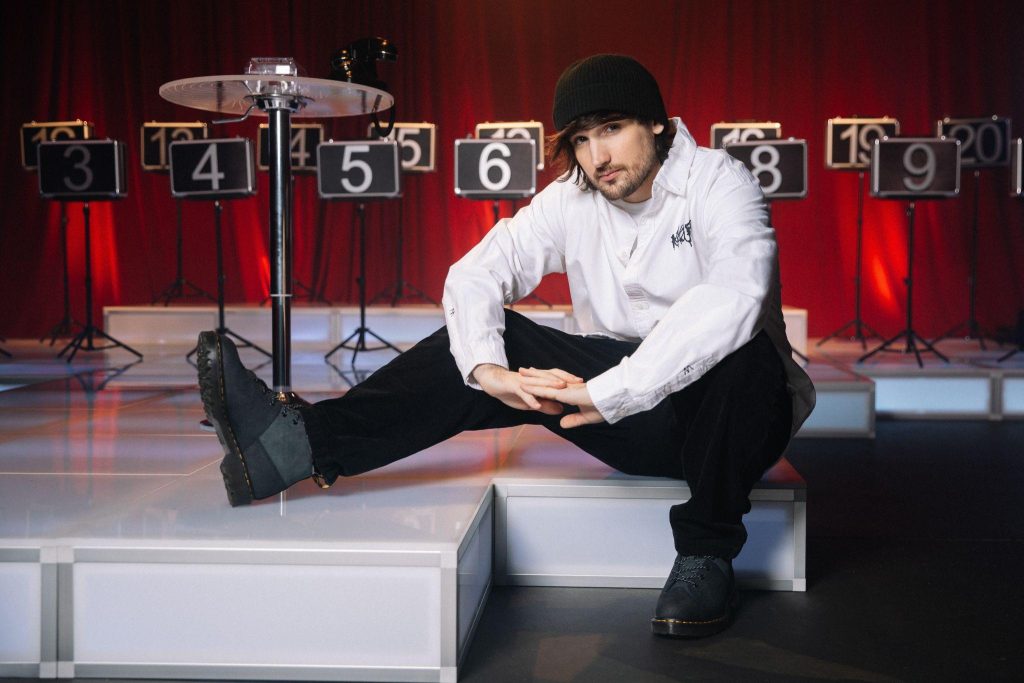
The relationship between streamer and viewer is one of Twitch’s greatest distinctions from traditional entertainment. Audiences can communicate with creators during the event, contribute to the atmosphere, and become active participants in the experience. For Jones, maintaining that connection is essential as his productions become more ambitious. His Los Angeles studio holds the infrastructure for larger projects, while his established Twitch community is an audience familiar with his personality and approach to entertainment.
“I’m excited to keep exploring what we can do with these shows, and I want each one to feel like we’re scaling and going bigger than the last, whether that’s in terms of guests, what we’re doing, or the productions themselves. Mitch Party felt like it was overall widely loved by the audience and fans, so we might see this one come back again in a new way,” Jones said.
With two productions completed, Jones is proving how an established gaming career can turn into independent entertainment development. His October show reflects the growing potential for Twitch creators to build original programming while preserving the community-driven experiences that made livestreaming successful.
For more information about Mitch Jones, visit https://mitchjones.vip/.