Keeping Albanian heritage alive through dance.
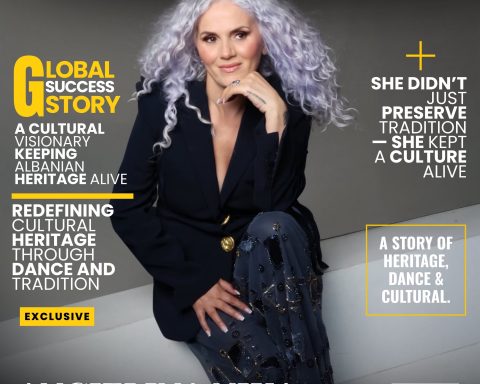
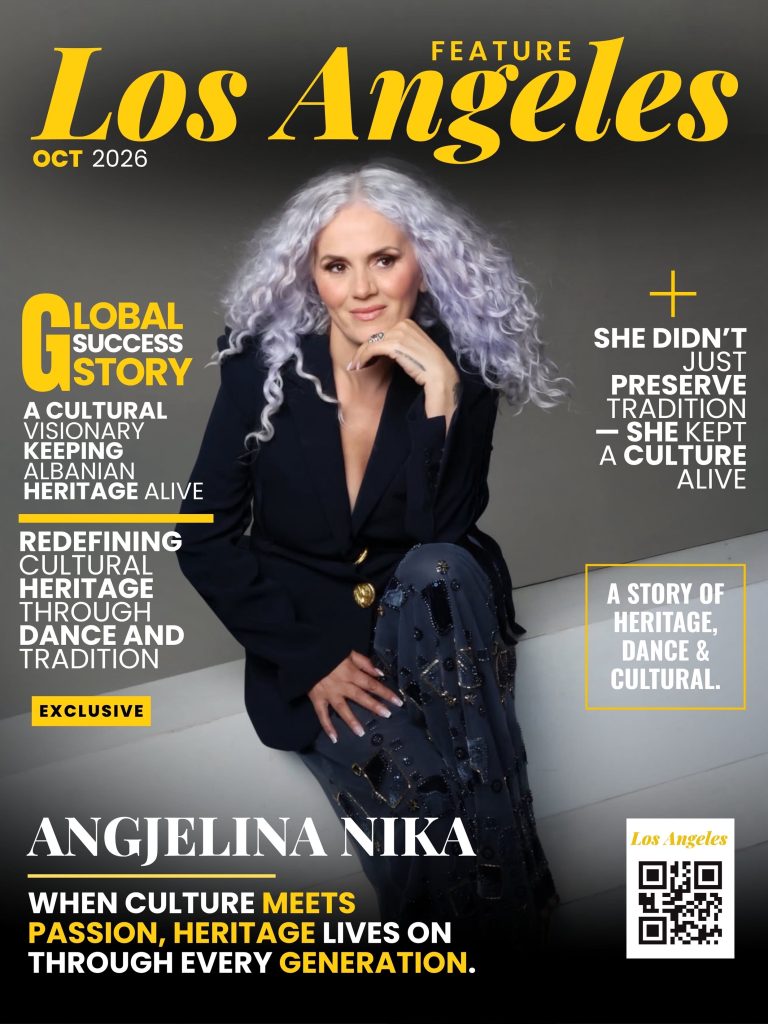
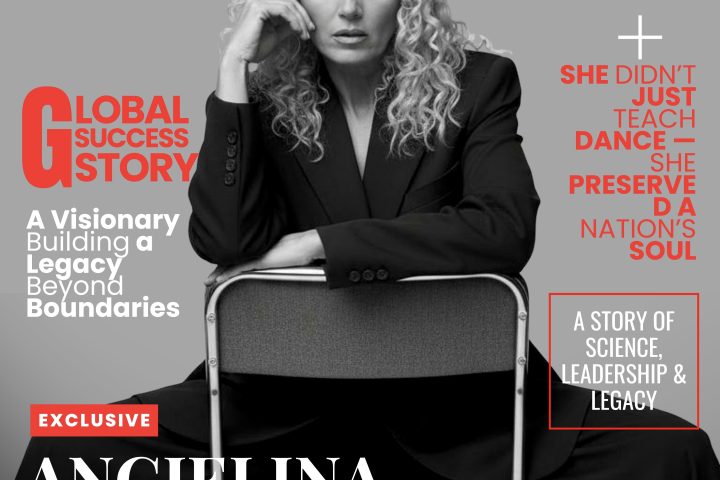
A cultural tradition survives because someone chooses to carry it forward. For choreographer and instructor Angjelina Nika, that responsibility has become a lifelong calling. With more than two decades devoted to Albanian folk dance, she has built a career around preserving the movements, music, and stories that connect generations to their heritage.
Her work brings together artistic discipline and cultural purpose. Whether teaching an aspiring dancer or developing a performance, Nika approaches dance as something more than a sequence of steps. It is a living expression of identity, one that deserves to be understood as deeply as it is performed.
A Connection That Began at Home
Born into a family deeply rooted in Albanian traditions, Nika developed her love of dance at a young age. That early connection became the foundation of a career dedicated to exploring and sharing her cultural inheritance.
Over the years, she immersed herself in the study of Albanian folk dances, mastering regional styles that reflect the country’s diverse traditions. Rather than treating this repertoire as a single uniform art form, she embraces the differences that give each style its character.
This attention to regional detail informs both her choreography and her teaching. Preserving a dance means respecting the history behind it, not simply reproducing its most recognizable movements.
Teaching the Meaning Behind the Movement
At the heart of Nika’s career is her role as an educator. Her instruction combines careful attention to technique with an exploration of the stories and symbolism embedded in Albanian folk dance.
Students learn how to execute a movement, but also why it matters. This deeper understanding transforms a lesson into an opportunity to explore belonging, memory, and cultural pride.
For younger generations, particularly within the Albanian diaspora, that connection can be especially meaningful. Dance offers a tangible way to engage with a heritage that may otherwise feel geographically distant. Through music and shared movement, students can participate in traditions that link them to their families and communities.
Nika’s contribution lies in making that connection both accessible and lasting. Her teaching encourages dancers to become thoughtful participants in the preservation of their culture.
Tradition With Room to Grow
Preserving heritage also presents a creative challenge: how can an artist introduce tradition to new audiences while remaining faithful to its origins?
Nika explores that question through choreography that combines traditional elements with contemporary interpretations. Her work creates room for artistic expression while maintaining a connection to the cultural foundations of the dances.
This balance allows audiences to encounter Albanian folk traditions as a living art form. The dances retain their historical significance while continuing to inspire new performances and interpretations.
Through workshops and cultural presentations, Nika has also helped introduce these traditions to audiences beyond the Albanian community. Her work creates opportunities for cross-cultural appreciation, allowing movement and music to communicate where language may not.
Recognition Rooted in Service
Among Nika’s honors is the title “Mjeshtër i Madh,” awarded by the President of Albania. The distinction recognizes her contribution to Albanian arts and culture and reflects the dedication that has shaped her career.
Yet her influence extends beyond formal recognition. It is also found in the students she mentors, the performances she helps bring to life, and the cultural knowledge she passes on.
Her continued collaboration with cultural institutions and aspiring dancers reinforces the educational purpose behind her artistic achievements. For Nika, preserving dance is an ongoing practice that requires patience, commitment, and participation.
Carrying the Story Forward
Angjelina Nika’s career demonstrates how an individual artist can help sustain a collective inheritance. Her work connects the intimacy of a dance lesson with the wider responsibility of cultural preservation.
By teaching the context behind each movement and encouraging new generations to take part, she helps ensure that Albanian folk dance remains something people practice, understand, and share.
Her legacy is not only in the dances she has performed or choreographed. It is in the dancers who will carry those traditions forward, bringing their own dedication to a story that continues with every generation.